
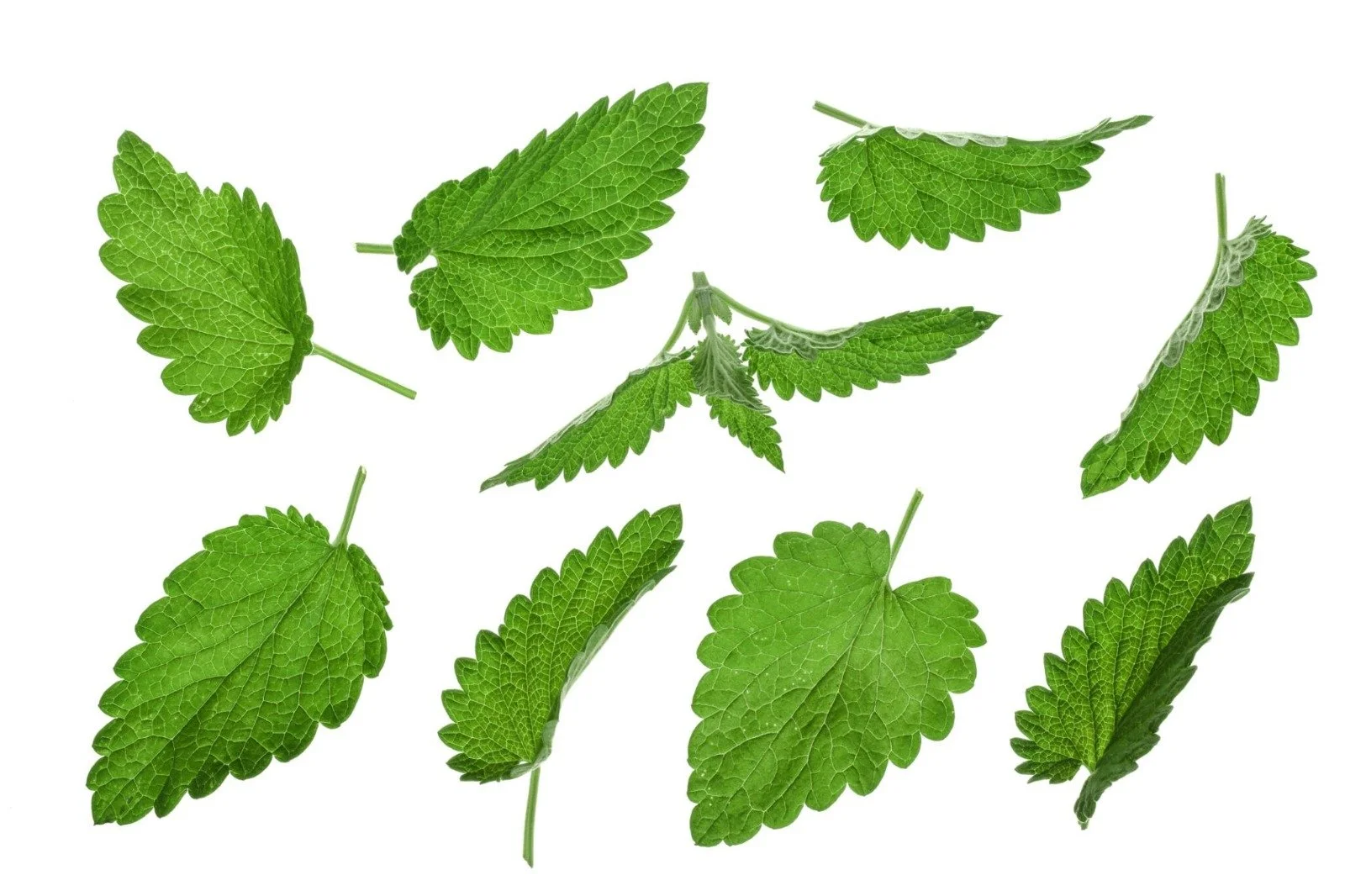
-
A 2021 meta-analysis found that lemon balm improved anxiety scores (standardized mean difference: -0.98) and depression scores (standardized mean difference: -0.47) compared to placebo, without serious side effects.¹
-
A double-blind, placebo-controlled study found that 87% of participants taking Melissa officinalis reported improved sleep quality compared to 30% in the placebo group, with slow-wave sleep duration increasing by 15%.²
-
Clinical trials showed that lemon balm improved memory performance and increased calmness at all post-dose time points in healthy young adults, through modulation of GABAergic, cholinergic, and serotonergic brain pathways.
-
¹ Ghazizadeh, J., et al. (2021). The effects of lemon balm (Melissa officinalis L.) on depression and anxiety in clinical trials: A systematic review and meta-analysis. Phytotherapy Research, 35(12), 6690-6705.
² Bano, A., et al. (2024). Effects of Melissa officinalis phytosome on sleep quality: Results of a prospective, double-blind, placebo-controlled, and cross-over study. Nutrients, 16(23), 4199.
³ Kennedy, D. O., et al. (2003). Modulation of mood and cognitive performance following acute administration of single doses of Melissa officinalis. Neuropsychopharmacology, 28(10), 1871-1881.
Lemon Balm (Melissa officinalis)
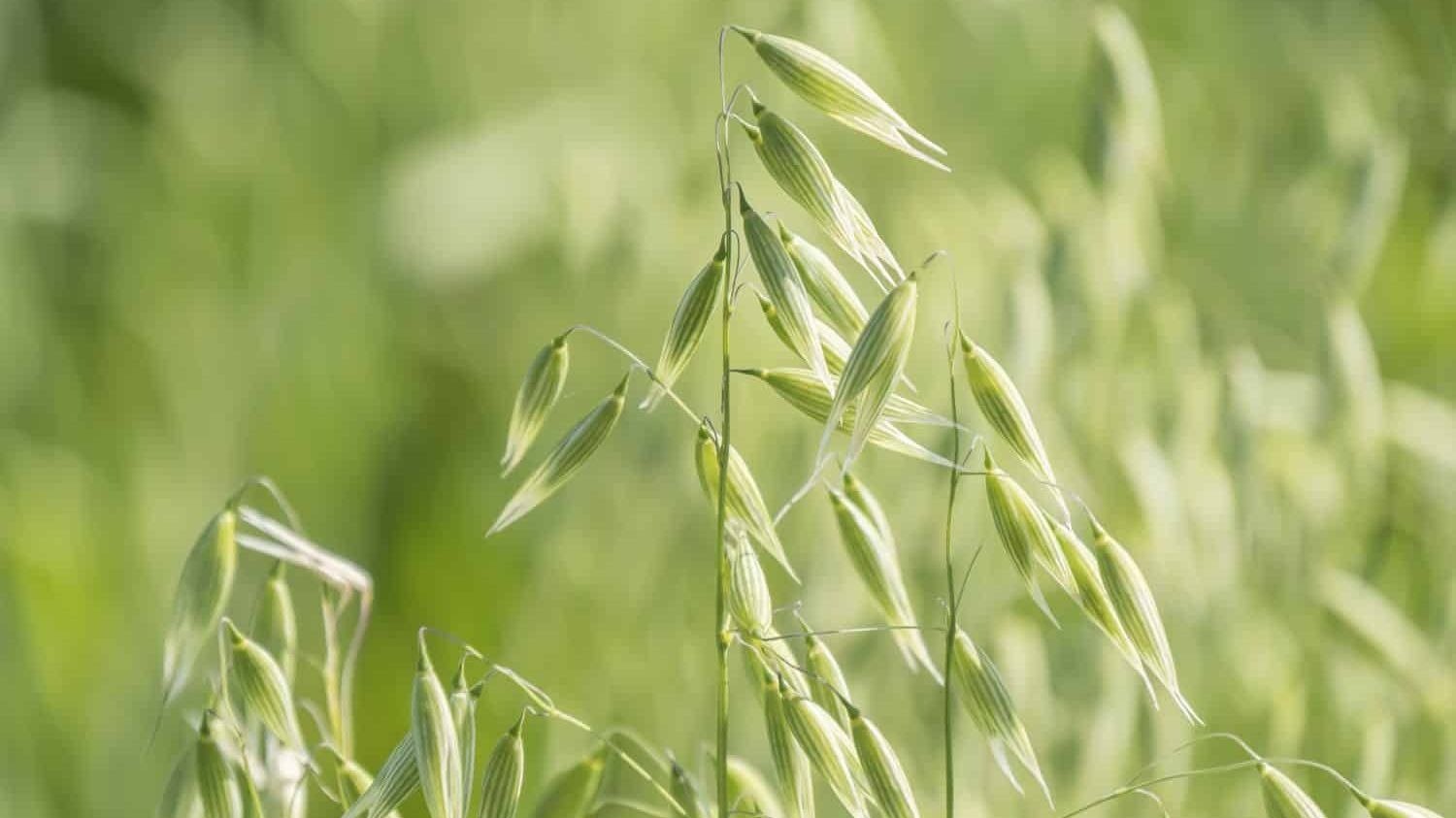
Oat Straw (Avena sativa)
-
A 2020 double-blind study of 132 adults found that four weeks of supplementation with oat straw extract significantly improved working memory and multitasking performance compared to placebo.
-
Oat straw extract decreased electrodermal activity, a marker of sympathetic nervous system activation, indicating reduced physiological stress response during cognitive tasks.
-
⁴ Kennedy, D. O., et al. (2020). Acute and chronic effects of green oat (Avena sativa) extract on cognitive function and mood during a laboratory stressor in healthy adults. Nutrients, 12(6), 1598.
-
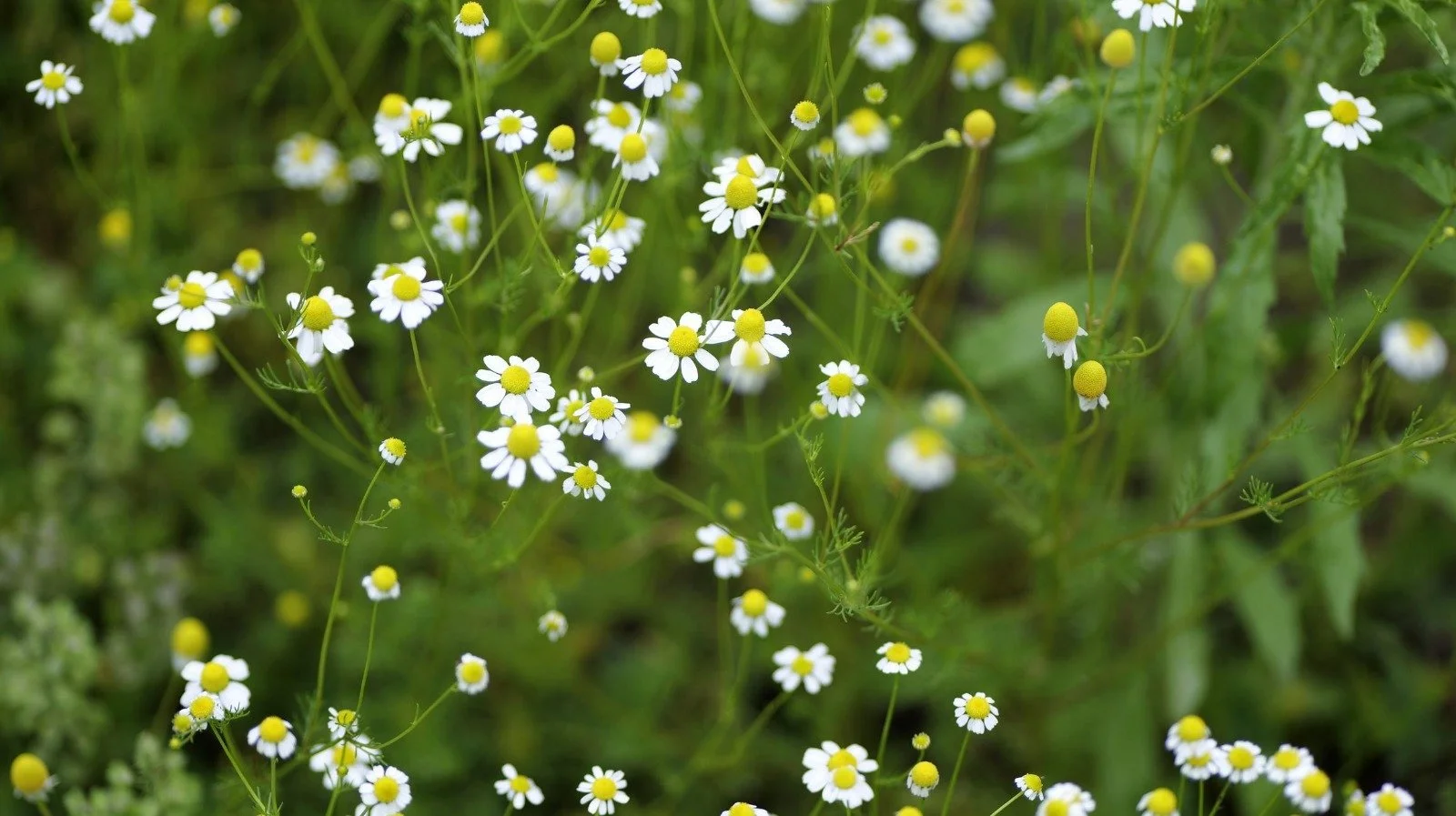
A 2016 randomized trial of 179 participants found that those taking daily chamomile extract maintained lower generalized anxiety disorder symptoms compared to placebo over 26 weeks, with additional benefits including reduced body weight and blood pressure.
-
A 2012 study of 57 participants with comorbid anxiety and depression found significantly greater reduction in Hamilton Depression scores for chamomile versus placebo, demonstrating clinically meaningful antidepressant activity beyond its anxiolytic effects.
-
A 2017 clinical trial of 60 participants found that 200 mg of chamomile twice daily for 28 days significantly improved sleep quality compared to placebo, supporting its traditional use for sleep disturbances.
-
⁵ Mao, J. J., et al. (2016). Long-term chamomile (Matricaria chamomilla L.) treatment for generalized anxiety disorder: A randomized clinical trial. Phytomedicine, 23(14), 1735-1742.
⁶ Amsterdam, J. D., et al. (2012). Chamomile (Matricaria recutita) may provide antidepressant activity in anxious, depressed humans. Alternative Therapies in Health and Medicine, 18(5), 44-49.
⁷ Adib-Hajbaghery, M., & Mousavi, S. N. (2017). The effects of chamomile extract on sleep quality among elderly people: A clinical trial. Complementary Therapies in Medicine, 35, 109-114.
Chamomile (Matricaria chamomilla)
-
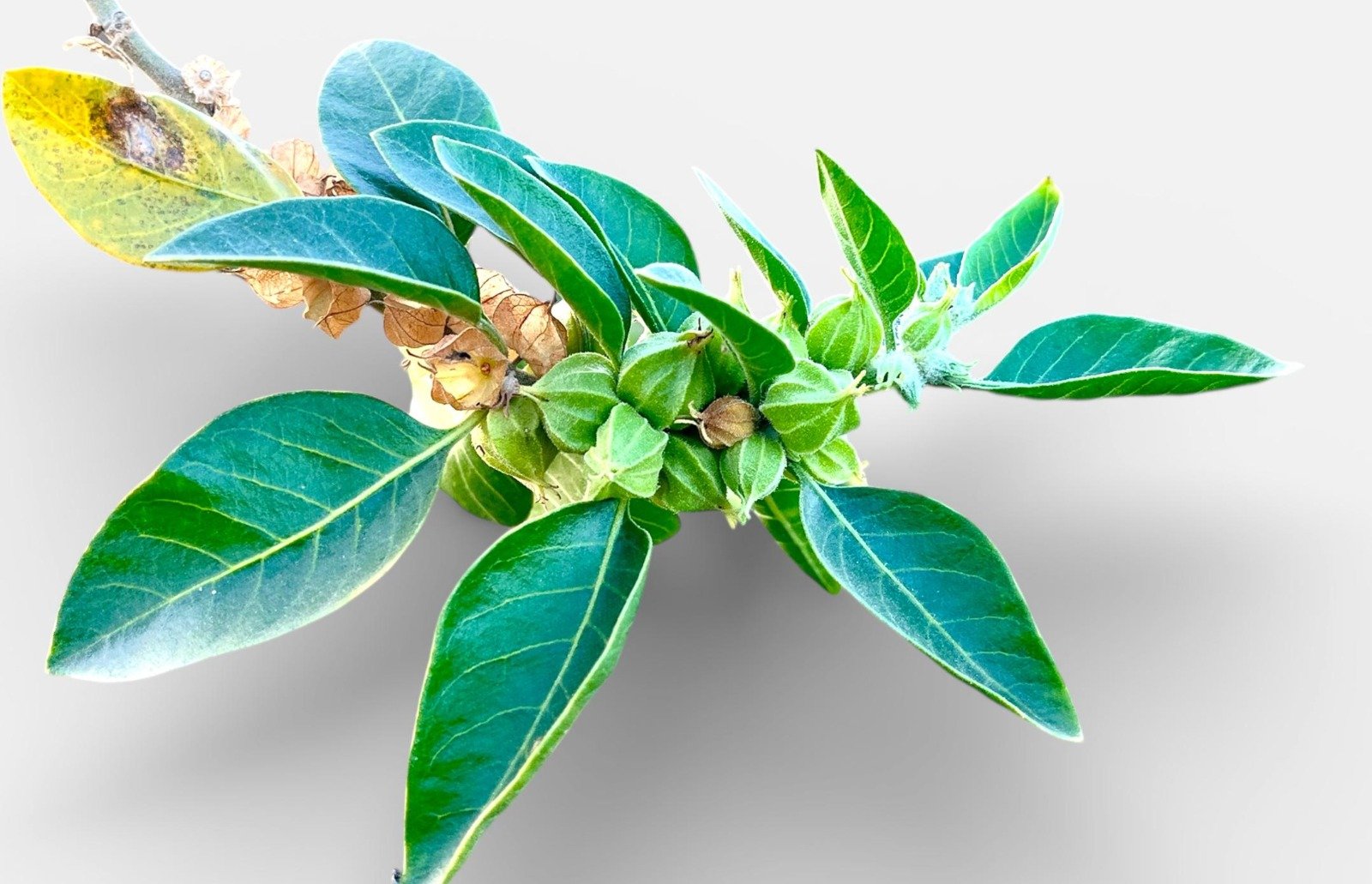
An 8-week study of 131 adults found all three doses significantly reduced cortisol, ACTH, and salivary α-amylase levels while improving sleep quality and vitality.
-
A 60-day trial of 60 adults taking 240 mg daily showed statistically significant reductions in Hamilton Anxiety Rating Scale scores and Depression, Anxiety, and Stress Scale scores. The study demonstrated that ashwagandha's stress-relieving effects occur through modulation of the hypothalamus-pituitary-adrenal axis.
-
A 2024 systematic review and meta-analysis of nine randomized controlled trials involving 558 patients confirmed significant effects of ashwagandha on the Perceived Stress Scale and Hamilton Anxiety Rating Scale, with both subjective and objective measures demonstrating efficacy.
-
⁸ Gopukumar, K., et al. (2024). Effects of Withania somnifera extract in chronically stressed adults: A randomized controlled trial. Nutrients, 16(9), 1293.
⁹ Lopresti, A. L., et al. (2019). An investigation into the stress-relieving and pharmacological actions of an ashwagandha extract. Medicine, 98(37), e17186.
¹⁰ Chen, Y., et al. (2024). Effects of ashwagandha on stress and anxiety: A systematic review and meta-analysis. Journal of Ethnopharmacology, 337, 118812.