
Chamomile (Matricaria chamomilla)
-
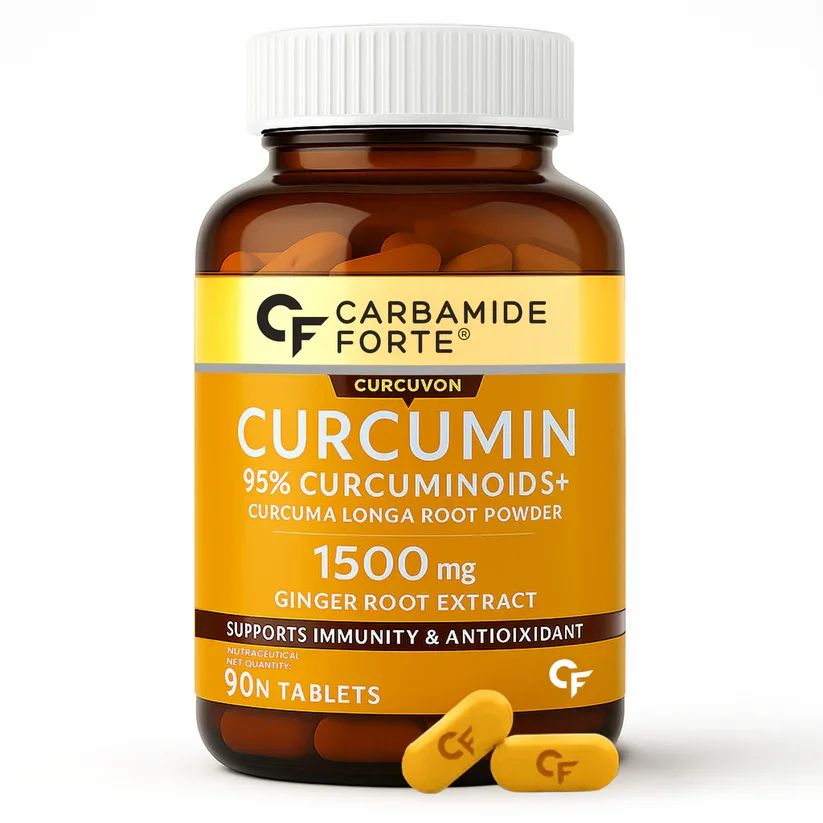
A 6-week randomized, double-blind trial of 108 male adults with major depressive disorder receiving curcumin (1,000 mg daily) alongside antidepressants demonstrated that curcumin decreased inflammatory cytokines interleukin-1β and tumor necrosis factor-α levels, increased plasma brain-derived neurotrophic factor levels, and decreased salivary cortisol concentrations compared to placebo. These neuroinflammatory biomarker reductions correlated with significant improvements in depression scores, indicating that curcumin's antidepressant effects are mediated through suppression of neuroinflammatory pathways.¹¹
-
An updated meta-analysis of 9 randomized controlled trials with 501 subjects found that curcumin supplementation significantly improved global cognitive function (SMD = 0.82; p = 0.010). The optimal dose is 0.8 g/day for at least 24 weeks. Benefits were particularly significant in participants aged 60 years and older (SMD = 1.12; p = 0.044), with improvements in working memory (most consistent benefit), processing speed, and attention and concentration.
-
A systematic review and dose-response meta-analysis of 4 randomized controlled trials with 139 participants found that curcumin supplementation significantly increased serum brain-derived neurotrophic factor (BDNF) levels. BDNF is the master regulator of neuronal survival and growth, synaptic plasticity (brain's ability to form new connections), learning and memory formation, protection against neurodegenerative diseases, neurogenesis (creation of new neurons), and cognitive function and mental clarity.¹²
-
¹¹ Yu, J. J., et al. (2015). Chronic supplementation of curcumin enhances the efficacy of antidepressants in major depressive disorder: A randomized, double-blind, placebo-controlled pilot study. Journal of Clinical Psychopharmacology, 35(4), 406-410.
¹² Sarraf, P., et al. (2019). Short-term curcumin supplementation enhances serum brain-derived neurotrophic factor in adult men and women: a systematic review and dose-response meta-analysis of randomized controlled trials. Nutrition Research, 69, 1-8.
Saffron Stigma (Affron®)
-
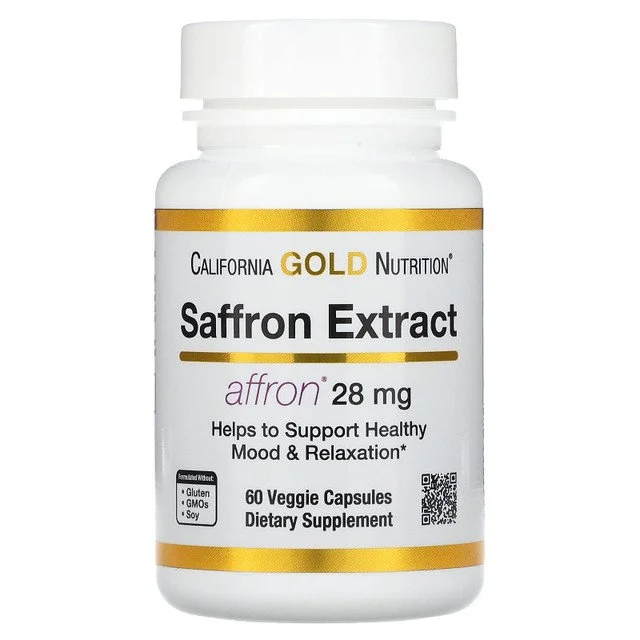
A meta-analysis of 5 high-quality randomized controlled trials in adults with major depressive disorder using 30 mg/day saffron stigma extract for 6+ weeks demonstrated large effect size of 1.62 (P < 0.001) versus placebo and null effect size of -0.15 (P = 0.42) versus antidepressants (fluoxetine and imipramine), indicating saffron reduced depression symptoms compared to placebo and performed equally as standard antidepressants. 72.3% of participants in saffron group achieved clinically significant improvement versus 54.3% in placebo group, with no severe adverse events.¹³
-
A study with 202 adults, 12 weeks, 28 mg/day Affron®, confirmed saffron improved Depression, Anxiety, and Stress Scale-21 depression scores (β: -2.92 points, P = 0.010, Cohen's d = 0.39).¹⁴
-
A meta-analysis of 8 studies comparing saffron to selective serotonin reuptake inhibitors (SSRIs) found no significant difference between saffron and SSRIs in reducing depressive symptoms (SMD = 0.10, 95% CI: -0.09 to 0.29). Saffron demonstrated anxiolytic effects comparable to SSRIs and may modulate serotonin pathways similar to SSRIs but with fewer side effects. Exploratory analyses showed improvements in sleep disturbances in participants with greater severity of sleep disturbance.¹⁵
-
A 22-week trial in 46 patients aged 55+ with mild-to-moderate Alzheimer's disease comparing 30 mg/day saffron capsules versus 10 mg/day donepezil (standard Alzheimer's medication) demonstrated that saffron produced comparable cognitive benefits to donepezil, with significant improvements in ADAS-cog scores in both groups (P < 0.001) and no significant difference between groups in efficacy. Saffron's active compounds (crocin, crocetin, safranal) exhibit neuroprotective effects through inhibition of amyloid-beta aggregation, antioxidant activity protecting neurons from oxidative damage, anti-inflammatory effects reducing neuroinflammation, and enhancement of acetylcholine levels in the brain.¹⁶
-
¹³ Hausenblas, H. A., et al. (2013). Saffron (Crocus sativus L.) and major depressive disorder: a meta-analysis of randomized clinical trials. Journal of Integrative Medicine, 11(6), 377-383.
¹⁴ Lopresti, A. L., et al. (2025). An Examination into the Effects of a Saffron Extract (Affron) on Mood and General Wellbeing in Adults Experiencing Low Mood: A Randomized, Double-Blind, Placebo-Controlled Trial. The Journal of Nutrition, 155(7), 2300-2311.
¹⁵ Shafiee, A., et al. (2024). Effect of saffron versus selective serotonin reuptake inhibitors (SSRIs) in treatment of depression and anxiety: A meta-analysis of randomized controlled trials. Journal of Affective Disorders, 362, 661-670.
¹⁶ Akhondzadeh, S., et al. (2010). A 22-week, multicenter, randomized, double-blind controlled trial of Crocus sativus in the treatment of mild-to-moderate Alzheimer's disease. Psychopharmacology, 207(4), 637-643.