
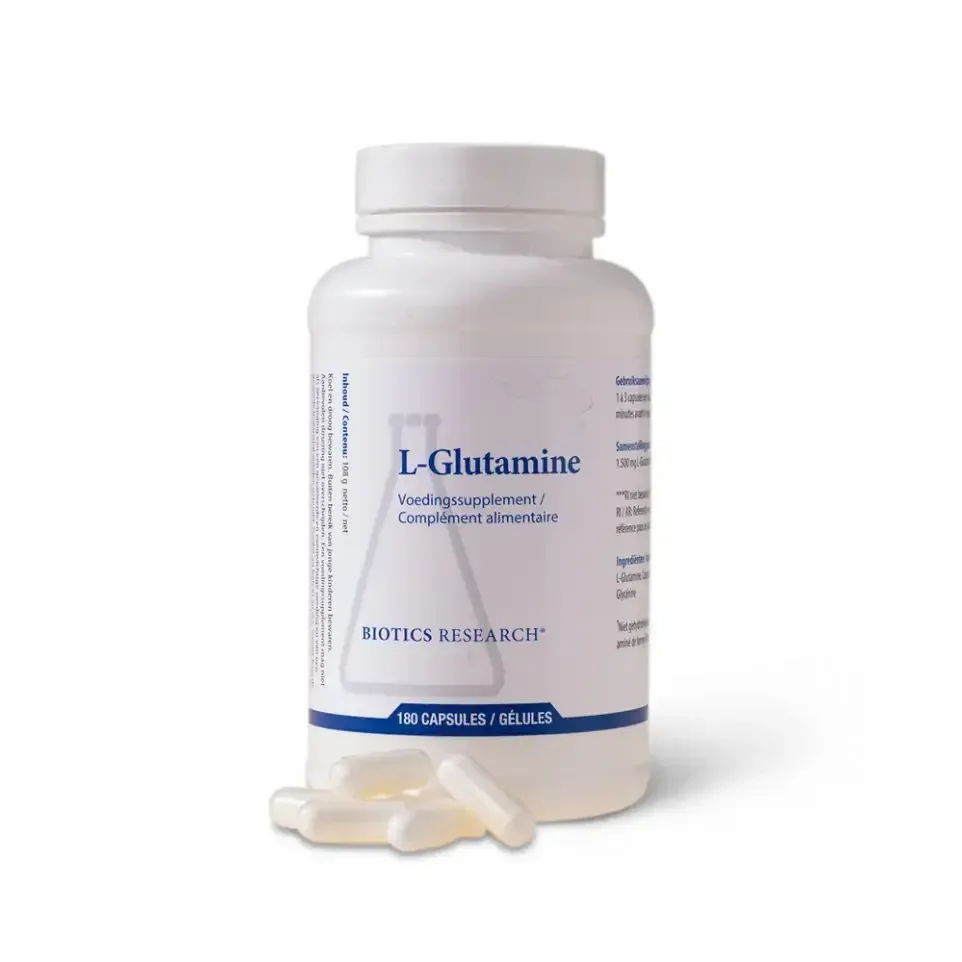
L-Glutamine (1500 mg
-
An 8-week randomized, double-blind, placebo-controlled clinical trial of 106 adults with post-infectious irritable bowel syndrome (IBS-D) and intestinal hyperpermeability found that oral glutamine supplementation produced significant therapeutic effects. Nearly 80% of participants in the glutamine group achieved a ≥50-point reduction on the Irritable Bowel Syndrome Severity Scoring System compared to 5.8% in the placebo group. Glutamine also normalized intestinal permeability and improved stool frequency and consistency.¹ As the primary fuel source for enterocytes, glutamine helps maintain tight junction integrity, supporting gut barrier function and reducing inflammatory signaling that may influence mood.
-
Preclinical research demonstrates that glutamine supplementation reversed stress-induced elevations in corticosterone, reduced oxidative stress markers in the prefrontal cortex and hippocampus, and decreased neuroinflammatory activity.² These findings suggest glutamine may help protect cognitive performance and support stress adaptation during chronic stress exposure.
-
Zhou QQ, Zhang B, Verne GN. Randomised placebo-controlled trial of dietary glutamine supplements for postinfectious irritable bowel syndrome. Gut. 2019;68(6):996-1002.
Lee Y, et al. Glutamine supplementation prevents chronic stress-induced mild cognitive impairment. Int J Mol Sci. 2020;21(10):3427.
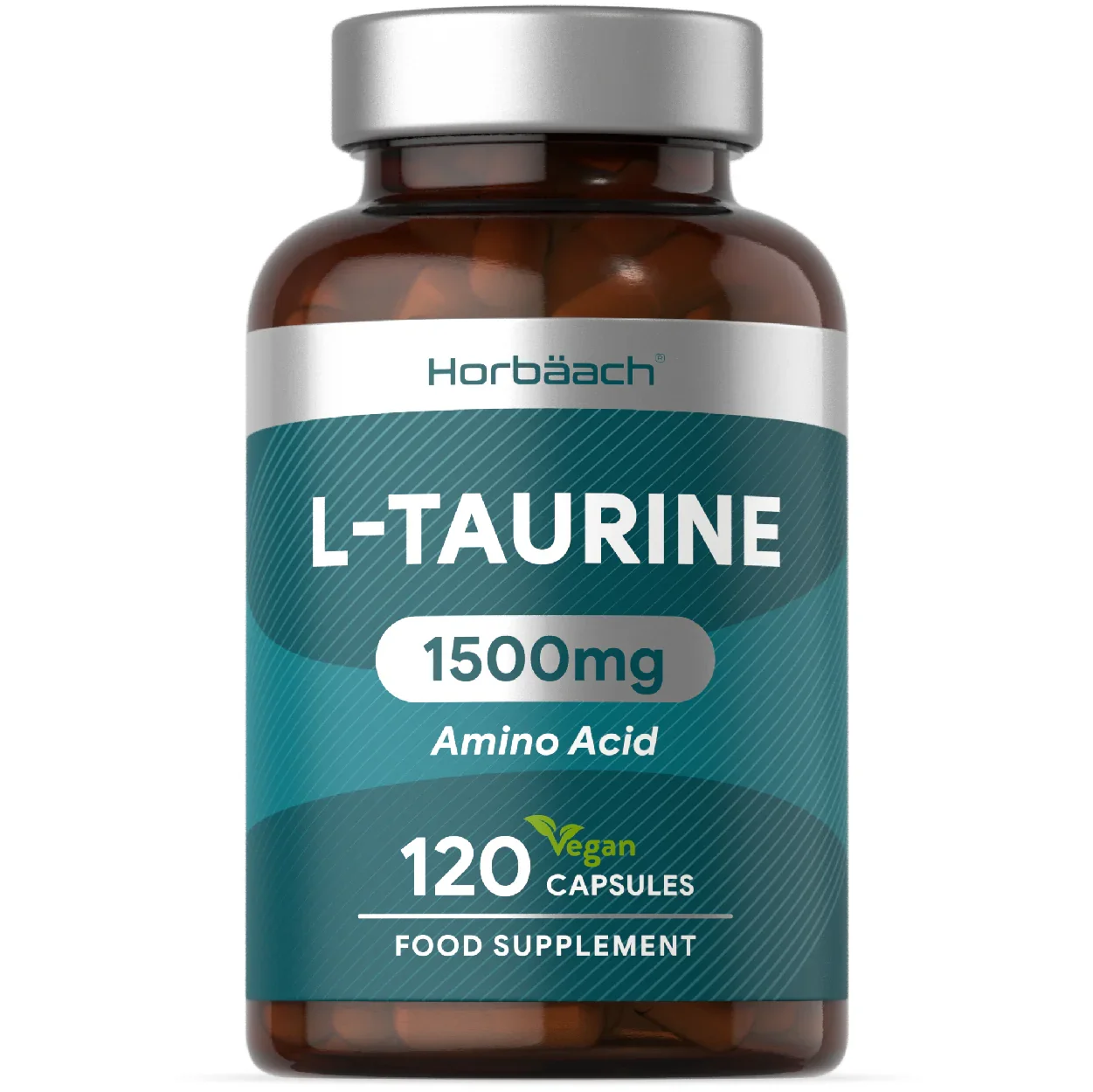
L-Taurine (1500 mg)
-
Taurine functions as an inhibitory neuromodulator and interacts with GABA-A, GABA-B, and glycine receptors. Preclinical studies demonstrate that taurine administration reduced anxiety-like behaviors, with effects mediated through GABA-A receptor activation.³ Taurine also supports calcium balance within neurons and may help protect against excitotoxic stress.
-
It regulates calcium balance inside cells, supports mitochondrial energy production, and protects against oxidative and inflammatory stress. In the nervous system, taurine supports inhibitory signaling pathways associated with calm and neural balance.⁴
-
El Idrissi A, et al. Effects of taurine on anxiety-like and locomotor behavior of mice. Adv Exp Med Biol. 2009;643:207-215.
Jong CJ, Sandal P, Schaffer SW. The role of taurine in mitochondria health: more than just an antioxidant. Molecules. 2021;26(16):4913. doi:10.3390/molecules26164913.
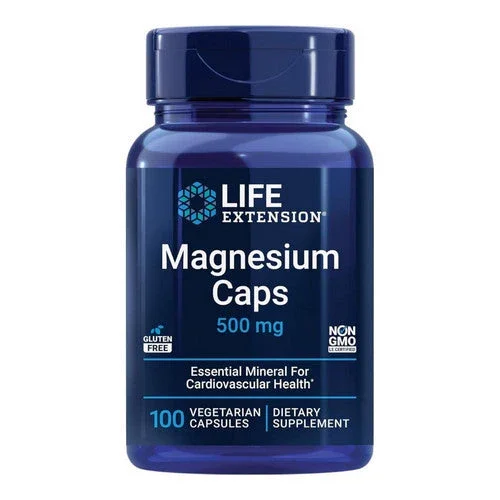
Magnesium (500 mg)
-
A randomized cross-over clinical trial of 126 adults with mild-to-moderate depression evaluated 6 weeks of magnesium supplementation and observed clinically significant reductions in depression and anxiety scores. Improvements were noted within 2 weeks and occurred regardless of baseline magnesium status or concurrent antidepressant use.⁵ Magnesium enhances GABA-mediated inhibition while moderating NMDA receptor activity, helping restore excitatory-inhibitory balance often disrupted in stress-related conditions.
-
A systematic review and meta-analysis of 7 randomized clinical trials found magnesium supplementation significantly reduced depression scores in adults with depressive disorders.⁶ Magnesium also supports healthy HPA-axis regulation, promotes BDNF activity, and helps modulate inflammatory pathways associated with mood imbalance.
-
Magnesium functions as a natural physiological calcium regulator. Calcium drives muscle contraction, while magnesium helps counterbalance calcium inside muscle cells, supporting normal relaxation after contraction. This calcium-antagonist effect has been described in human cardiovascular and muscle physiology research, where magnesium is characterized as “nature’s physiologic calcium blocker.”⁷ By modulating calcium influx in excitable tissues, magnesium helps maintain healthy muscle tone and reduce excess tension.
-
Magnesium plays a critical role in regulating neural excitability. Experimental neurophysiology studies demonstrate that magnesium acts as a voltage-dependent blocker of NMDA receptors — a primary excitatory pathway in the nervous system — thereby limiting excessive neuronal firing.⁸ This mechanism supports balanced neural signaling and contributes to a calm, steady nervous system response.
-
Tarleton EK, et al. Role of magnesium supplementation in the treatment of depression: a randomized clinical trial. PLoS One. 2017;12(6):e0180067.
Abedi P, et al. Magnesium supplementation beneficially affects depression in adults with depressive disorder: a systematic review and meta-analysis. Front Psychiatry. 2023;14:1333261.
Iseri LT, French JH. Magnesium: nature’s physiologic calcium blocker. Am Heart J. 1984;108(1):188-193.
Mayer ML, Westbrook GL, Guthrie PB. Voltage-dependent block by Mg²⁺ of NMDA responses in spinal cord neurones. Nature. 1984;309(5965):261-263.
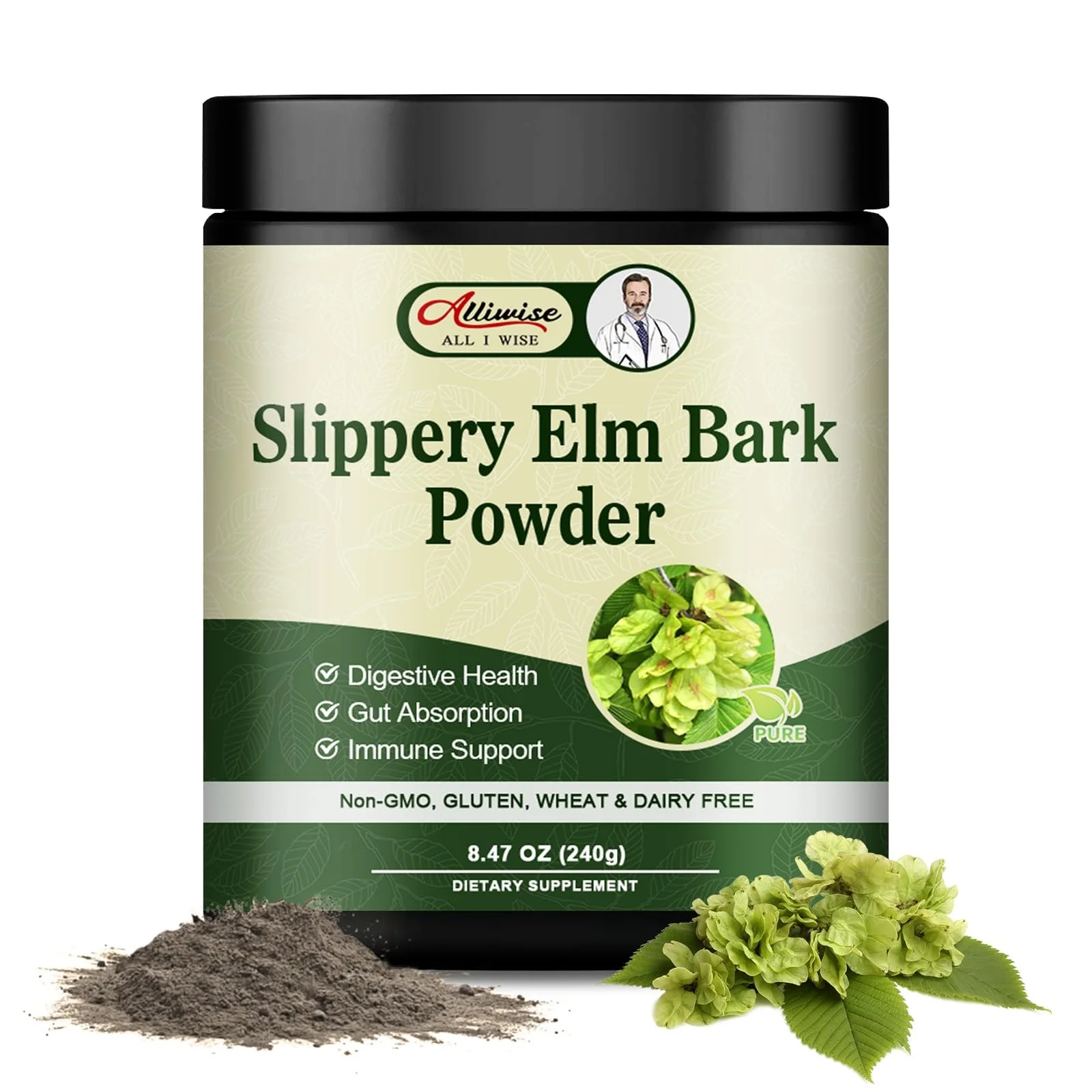
Slippery Elm Bark Powder (250 mg)
-
An in vitro study examining herbal therapies used in inflammatory bowel disease found slippery elm demonstrated potent dose-dependent antioxidant activity, comparable to 5-aminosalicylate (5-ASA).⁹ The mucilage content forms a soothing protective layer over the gastrointestinal mucosa, supporting barrier comfort and integrity.
-
Research found slippery elm enhanced beneficial bacterial populations and increased short-chain fatty acid production, including butyrate.¹⁰ Butyrate supports anti-inflammatory signaling and helps maintain gut barrier function. A clinical study evaluating a formula containing slippery elm reported improvements in upper and lower GI symptoms and intestinal permeability over 16 weeks.
-
Langmead L, et al. Antioxidant effects of herbal therapies used by patients with inflammatory bowel disease: an in vitro study. Aliment Pharmacol Ther. 2002;16(2):197-205.
Peterson CT, et al. Prebiotic potential of herbal medicines used in digestive health and disease. J Altern Complement Med. 2018;24(7):656-665.
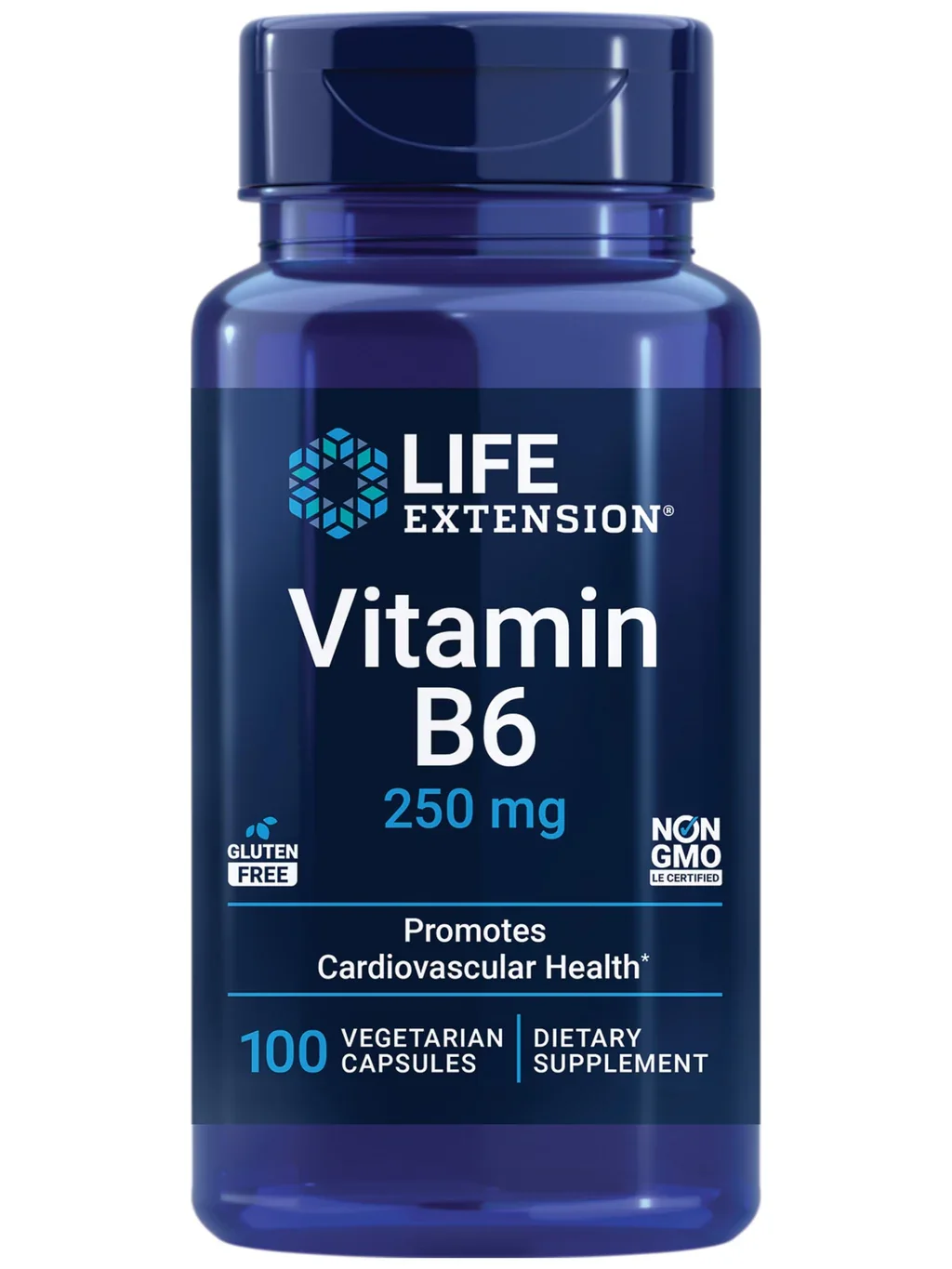
Vitamin B6 (50 mg)
-
A double-blind randomized controlled trial of 478 young adults found high-dose vitamin B6 supplementation significantly reduced self-reported anxiety scores compared to placebo.¹¹ Vitamin B6, in its active form pyridoxal-5-phosphate (PLP), serves as a cofactor for glutamic acid decarboxylase, the enzyme responsible for converting glutamate into calming GABA neurotransmitter.
-
B6 supports the production of serotonin, dopamine, and norepinephrine — key neurotransmitters involved in mood stability and motivation.¹²
-
Field DT, et al. High-dose vitamin B6 supplementation reduces anxiety and strengthens visual surround suppression. Hum Psychopharmacol. 2022;37(6):e2852.
McCarty MF. High-dose pyridoxine as an “anti-stress” strategy. Med Hypotheses. 2000;54(5):803-807.
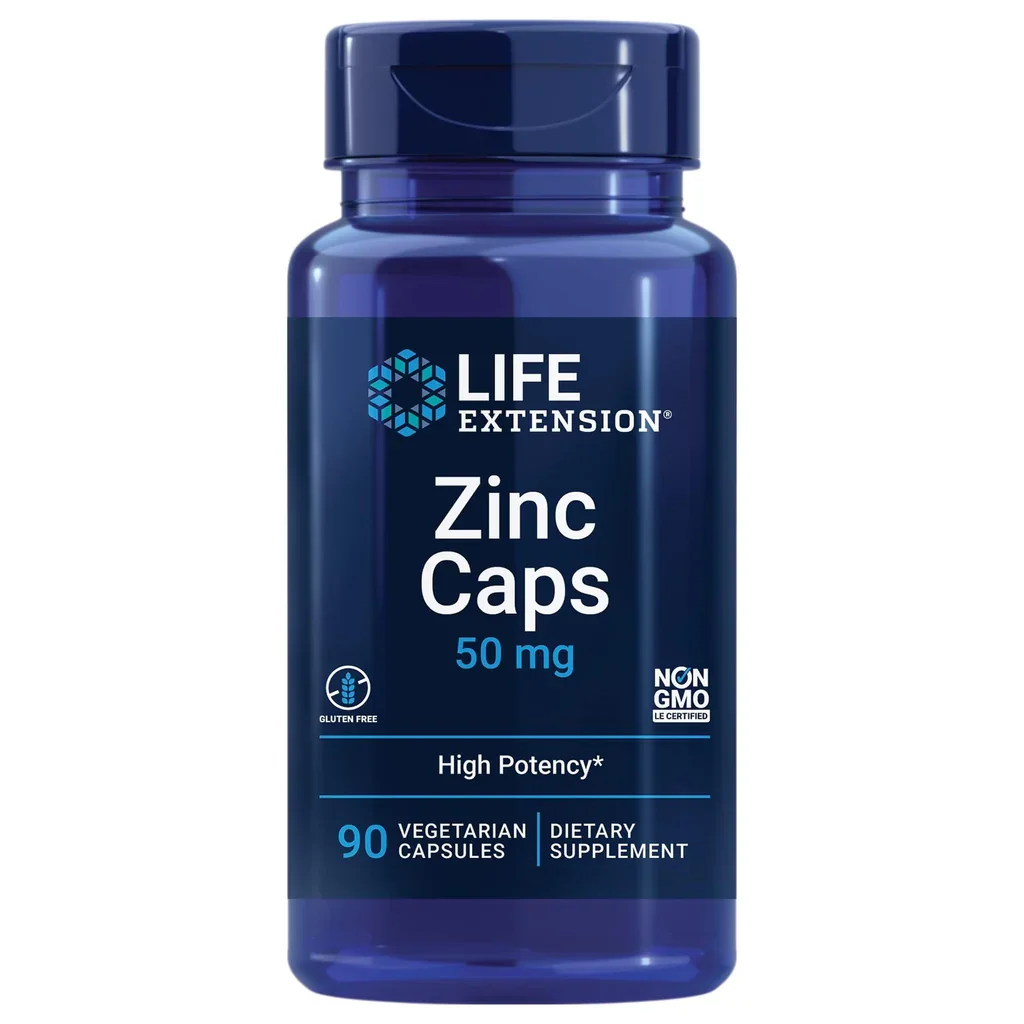
Zinc (20 mg)
-
A double-blind randomized clinical trial evaluating zinc supplementation alongside SSRI therapy found reductions in depression scores compared to placebo.¹³ A meta-analysis of 17 studies further reported lower serum zinc levels in individuals with depression.¹⁴
-
A systematic review of 35 randomized clinical trials found zinc supplementation significantly reduced circulating inflammatory markers, including C-reactive protein.¹⁵ Zinc is essential for thymulin activity, T-cell maturation, and optimal immune resilience, supporting overall systemic balance.
-
They help identify threats, engulf pathogens, and coordinate early immune signaling. Zinc also supports natural killer (NK) cell function, which is critical for rapid immune surveillance and the clearance of virus-infected or abnormal cells. In a human supplementation study, short-term oral zinc intake significantly enhanced NK cell functionality, including improved cytotoxic activity.¹⁶
-
Ranjbar E, et al. Effects of zinc supplementation in patients with major depression: a randomized clinical trial. Iran J Psychiatry. 2013;8(2):73-79.
Seyedsadjadi N, et al. Zinc supplementation and immune factors in adults: a systematic review and meta-analysis. Crit Rev Food Sci Nutr. 2022;62(11):3023-3041.
Amling L, Rink L, Bennstein SB. Short-term oral zinc supplementation enhances natural killer cell functionality and decreases circulating innate lymphoid cell counts and frequencies in healthy young adults. J Transl Med. 2025;23(1):333. doi:10.1186/s12967-025-06259-y